
In one study of 57 runners, some foot muscles had grown by week four. That fact shapes any realistic foot healing timeline. Feet respond to steady practice, and changes take weeks, not days.
We shared that study in our shoe strength post. This last post in the Foot Fix series walks through the timeline stage by stage. We also take a plain look at bunions and other common foot conditions.
Foot Healing Timeline: Everyone’s Is Different
No two feet heal on the same schedule. Your age, your habits, your shoes, and how long you have had the problem all matter. So treat this foot healing timeline as a map, not a promise.
If something here does not match your story, that is normal. Use the stages to pace yourself, then keep going.
Weeks 1 and 2: Set Up Your Foot Recovery Time for Success
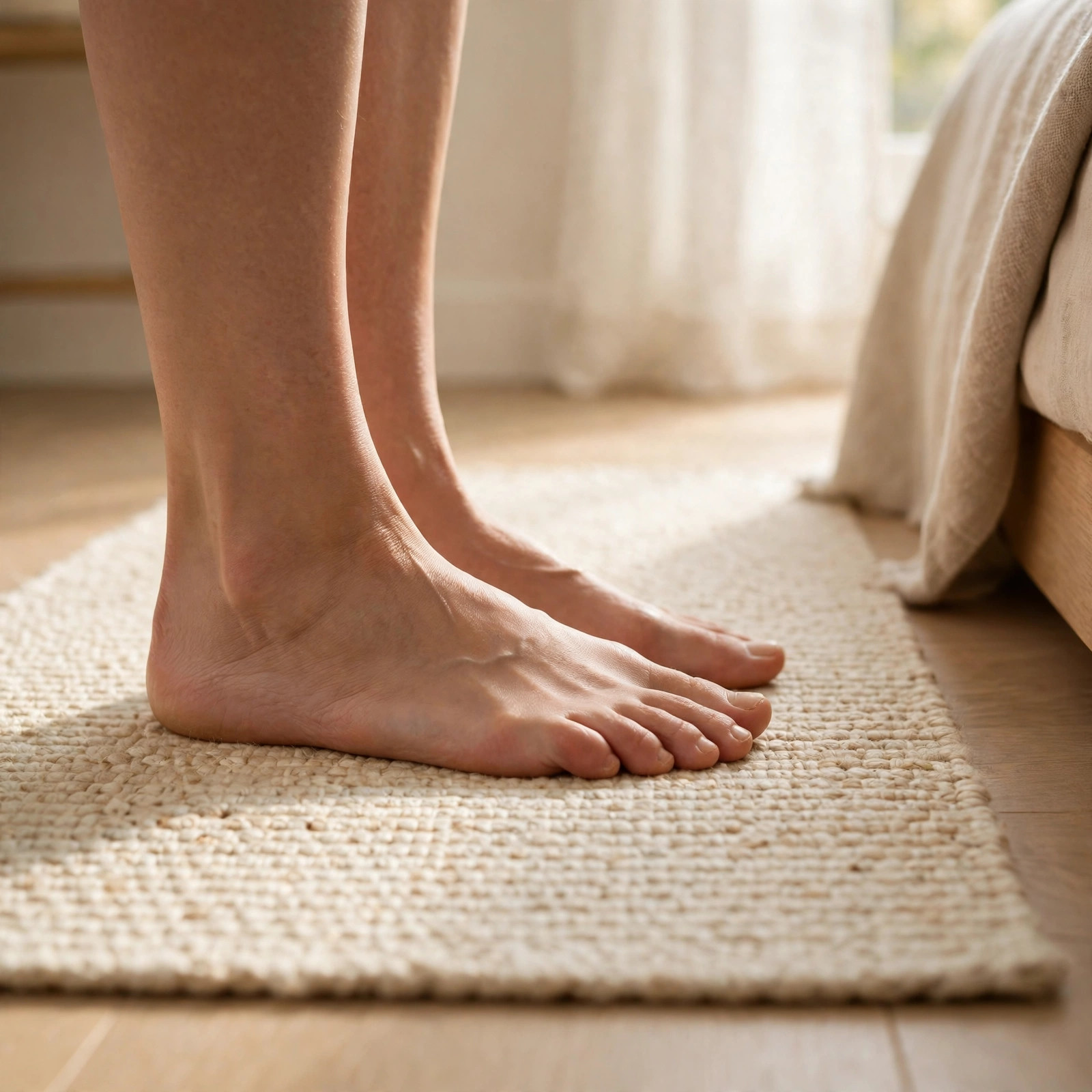 The first two weeks are about habits, not results. Switch to shoes with room for your toes, as we covered in our shoe shopping guide. Pick a daily cue for your foot strengthening tools.
Keep sessions short. Five minutes a day is plenty. Go slowly if your feet feel sore or stiff. Stop anything that causes sharp pain.
Weeks 3 and 4: How Long Foot Recovery Takes to Show First Signs
Around week three or four, your feet may begin to respond. In the 57 runner study, some foot muscles had already grown by week four. Not everyone will notice a change yet, and that is fine.
Keep the same routine. Do not add a lot more. Steady beats big.
Weeks 5 to 8: Building Your Foot Healing Timeline
By week eight, the runners in both active groups had bigger, stronger foot muscles. The group that changed nothing did not. That makes eight weeks a good first check in.
This is also a good time to take stock. Cleveland Clinic says plantar fasciitis usually improves with simple, modest care. It notes that a provider may suggest more help if pain has not improved after six to eight weeks. If your heel pain is no better by then, book a visit. Our post on plantar fasciitis heel pain explains what helps.
Month 3 and Beyond: Healing Timeline for Feet You Keep Building
After two months, the goal shifts from starting to keeping. A short daily practice does the most work. Add barefoot time at home, a little at a time. Check in with your feet once a month.
Slow, steady habits are what last. A few minutes a day for a year beats a big push for one week.
A Longer Foot Recovery Time: Bunions and Other Foot Conditions
Some foot changes are longer stories. Bunions, bent toes, and nerve irritation often build over years. Here is what major foot and ankle groups say about each.
Bunions: Slow to Form, Slow to Change
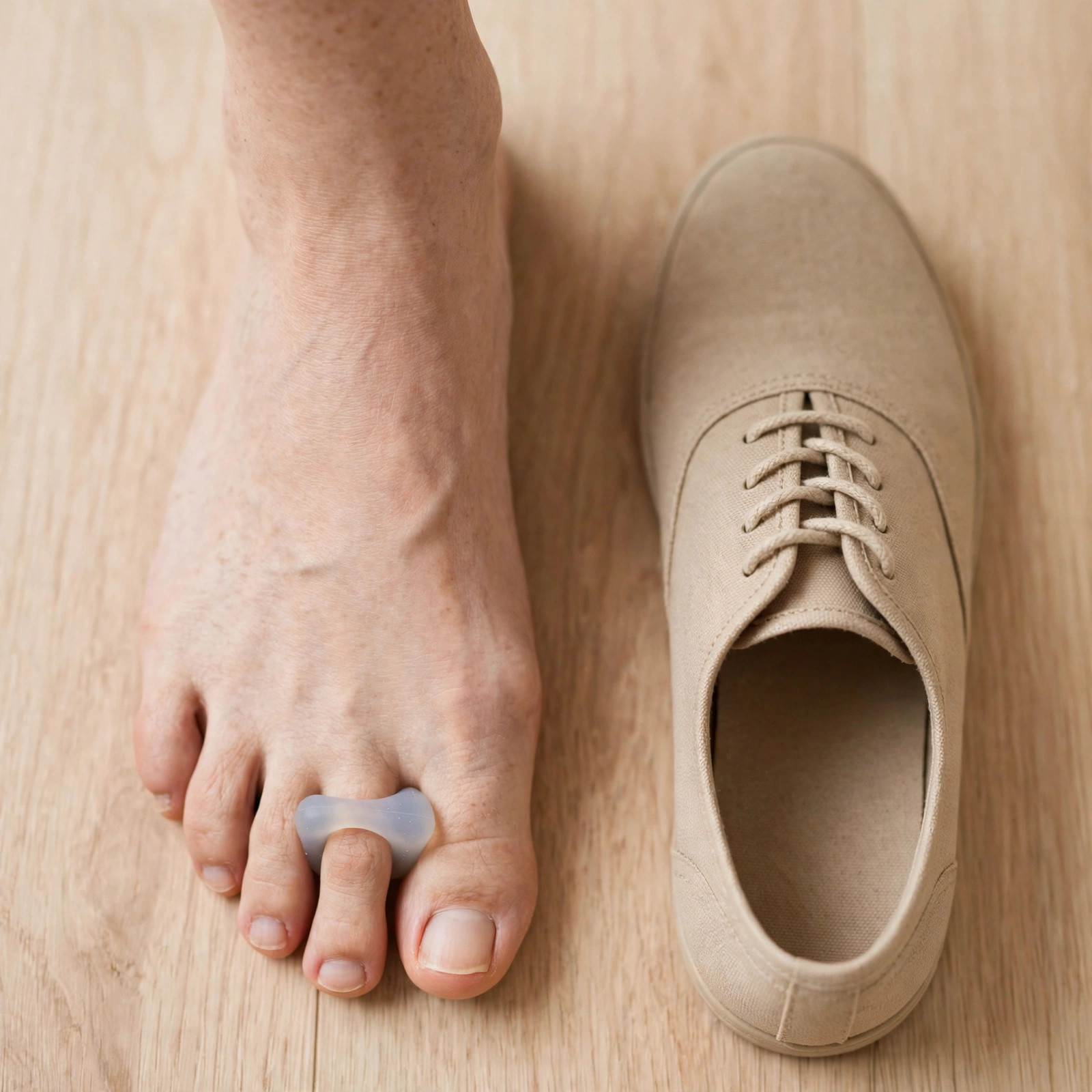 The American Academy of Orthopaedic Surgeons says up to 70 percent of people with bunions have a family history. Genes play a big part. Narrow, pointed shoes play a role too. A 1965 study on the island of St. Helena found bunions grew more common with each year of shoe wearing.
No one can promise a bunion will shrink. But you can often feel better and move better. Both the AAOS and FootCareMD start with roomy shoes that have a wide toe box. They also list soft pads and toe spacers between the toes. Surgery comes up only when a bunion is painful or limits walking, after other steps.
Toe spreading may help too. A small 2024 study tested 15 adults with mild bunions. Toe spreading worked the big toe muscle harder than the short foot move.
Bent Toes: Act Early
FootCareMD says a hammertoe usually starts out flexible. If it is left alone, it can become rigid. Early steps include soft, roomy toe boxes and a shoe about half an inch longer than your longest toe. Home toe exercises are on its list too.
Morton’s Neuroma: Give the Nerve Room
A Morton’s neuroma is an enlarged bit of nerve tissue between the toes. FootCareMD calls changing shoes the first step. Choose wider shoes with lower heels and soft soles. It says the swelling often calms down with wider shoes, a cortisone injection, or time.
When Your Foot Healing Timeline Needs Hands-On Help
Some feet need more than a plan on paper. If pain lingers, keeps coming back, or limits your walking, get support. Our massage therapy and myofascial release sessions work on the fascia from the ground up. Our team can look at your whole body, not just the sore spot.
Sudden severe pain, swelling, numbness, or pain after a fall needs a qualified provider right away. Please do not wait on those.
Want guided help for the long run? Our FullRange Online course teaches simple self care tools you can use anywhere. Missed a post? Start with why foot health matters.
That wraps up the Foot Fix series. Thank you for reading along. Your feet carry you everywhere, and they respond to steady care.
A clear foot healing timeline helps you stay patient and keep going. Our team includes R.N.’s, medical rehabilitative specialists, trained Full Range coaches, and certified massage therapists. They look at your whole body, not just your feet.
That’s the power of becoming a WholeFrog®: mastering your body through our FullRange program.
Don’t just take our word for it, we have 100’s of reviews on Yelp and Google!
If you don’t have time to be sidelined, book a consultation or one of our services with the Navy Seals of Wellness.
New to WholeFrog®? Please complete our New Client Intake Form at least 24 hours before your visit, whether you’re booking a complimentary consultation or a service. If you have X-ray, MRI, or lab reports you’d like us to review before your visit, please scan and upload them here.