

“Heel pain only comes from doing too much.” Plenty of people believe that. It sounds fair, and it is partly true. Plantar fasciitis heel pain often shows up after a jump in activity. But that is only part of the story.
This post explains plantar fasciitis in plain words. It also shares simple principles that help, and when it is time to get hands-on support.
Plantar Fasciitis Heel Pain: What Is Actually Going On
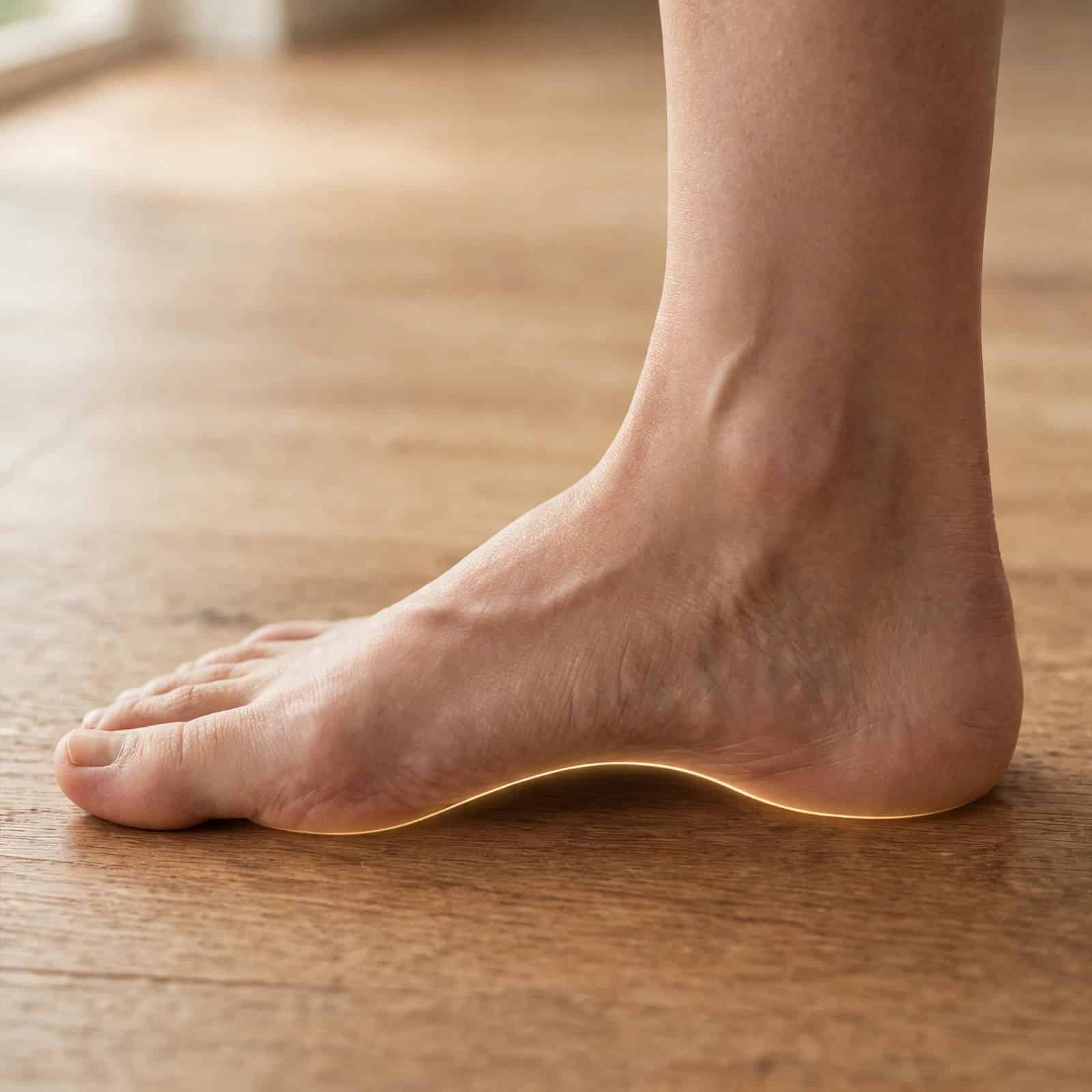 Your plantar fascia is a thick band of tissue under your foot. It runs from your heel bone to the base of your toes. Think of it like a bowstring that supports your arch.
When that band gets overloaded, the heel area gets sore. That is plantar fasciitis heel pain. A 2023 clinical guideline says it makes up about 15% of foot problems in adults. It most often shows up between ages 40 and 60.
The name sounds like simple swelling. But the same guideline describes a mix of irritated and worn tissue. That is one reason rest alone may not be enough.
Why Morning Heel Pain Hurts Most on the First Steps
The classic sign is a sharp ache in the heel with your first steps. It often comes after getting out of bed or standing up from a long sit. After a few minutes of walking, it may ease up.
Why does heel pain in the morning feel so sharp? Tissue under the foot tends to tighten while you rest. Then your first steps ask it to stretch all at once.
Research points to a few common risk factors. They include tight calves, running, and jobs with long hours on your feet. A sudden jump in activity counts too. A new workout plan or a walking vacation can do it.
What Helps Plantar Fasciitis Heel Pain: Three Simple Principles
 No single trick settles plantar fasciitis heel pain. The research points to a mix. Here are three principles that keep showing up.
Load it wisely. Your foot needs a smart amount of work. Not zero, and not a sudden spike. Build up walking, running, or standing time slowly. Gentle movement beats long stretches of doing nothing.
Build strength. In a 2014 trial, 48 people tried slow heel raises with a rolled towel under the toes. Another group did plantar fascia stretching. The strength group scored better on a foot function test at three months. By one year, both groups looked similar.
So strength may speed up progress, even if the long run looks alike. An MRI study also found smaller heel-area foot muscles in runners with long term heel pain. That does not prove cause. It does echo last week’s story: strong feet matter.
Keep your calves and arch mobile. The 2023 guideline strongly supports stretching the plantar fascia and the calf muscles. Tight calves limit how far your ankle bends. That may add strain to your foot with every step.
Rethink your footwear habits. Shoes matter, but they are not a magic fix. The guideline says orthotics should not be used alone for short term relief. They work best as one piece of a bigger plan.
If a provider gave you orthotics, keep using them. Choose comfortable shoes with room for your toes. Change footwear gradually, not all at once.
A Gentle Starting Point for Plantar Fasciitis Heel Pain
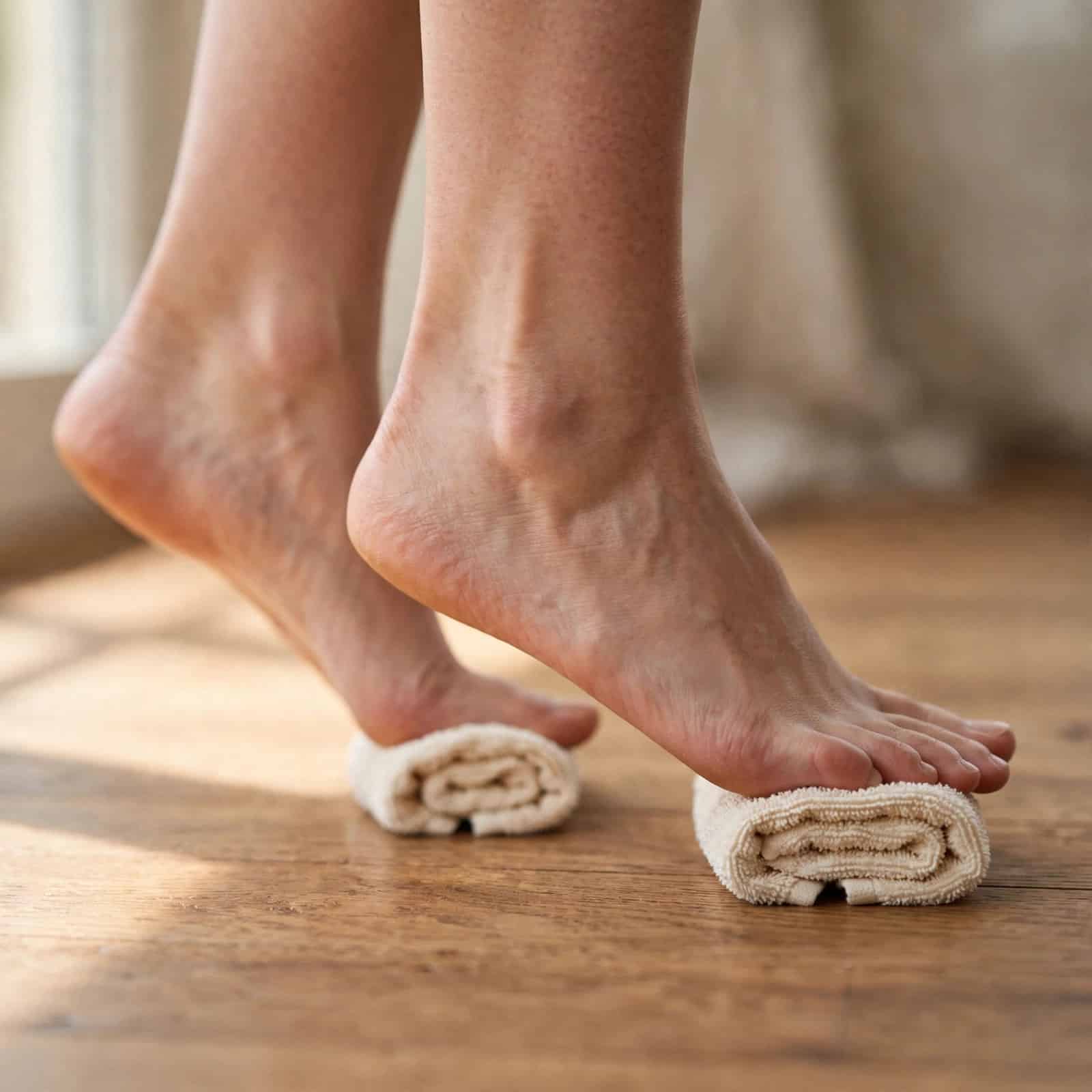 Keep it simple and pain free. Try slow heel raises on both feet. Rise for three seconds, then lower for three seconds. Do ten reps once a day.
Then try a gentle calf stretch. Lean toward a wall with one leg back and your heel down. Hold for 30 seconds on each side. Add last week’s short foot exercise if it feels good.
Stay in a comfortable range. If something stings sharply, stop. Our post on foot strength vs supportive shoes walks through the short foot step by step.
When Plantar Fasciitis Heel Pain Needs Hands-On Help
Self-care is a great start, but sometimes it is not enough. If heel pain lingers for weeks, keeps coming back, or limits your walking, get support.
The 2023 guideline backs hands-on care for the soft tissue and joints of the foot and leg. That is where a skilled session can fit in. Our massage therapy and myofascial release sessions work on the fascia from the ground up.
Sudden severe pain, swelling, numbness, or heel pain after a fall or injury needs a qualified provider right away. Please do not wait on those.
Want the bigger picture? Our post on why foot health matters shows how your feet connect to your whole body. Our FullRange Online course teaches simple self-care tools for that same chain.
Next week, the Foot Fix series looks at everyday tools like bands and balls for daily foot work.
Plantar fasciitis heel pain does not have to run your day. Our team includes R.N.’s, medical rehabilitative specialists, trained Full Range coaches, and certified massage therapists. They look at your whole body, not just the sore heel.
That’s the power of becoming a WholeFrog®: mastering your body through our FullRange program.
Don’t just take our word for it, we have 100’s of reviews on Yelp and Google!
If you don’t have time to be sidelined, book a consultation or one of our services with the Navy Seals of Wellness.
New to WholeFrog®? Please complete our New Client Intake Form at least 24 hours before your visit, whether you’re booking a complimentary consultation or a service. If you have X-ray, MRI, or lab reports you’d like us to review before your visit, please scan and upload them here.